
College Football 27 Defense Guide – 15 Tips to Stop Big Plays and Win More Games
Jul-20-2026 PSTSummary
Giving up easy touchdowns even when you call the "right" defense? Struggling to stop deep passes, mobile quarterbacks, or inside runs? Playing effective defense in College Football 27 is less about memorizing every play and more about making the right adjustments before and after the snap. This guide follows a practical gameplay flow, helping you build a reliable defensive strategy from formation selection to advanced adjustments. If you're building your Ultimate Team alongside improving your skills, managing your College Football 27 Coins efficiently can also help strengthen your roster.
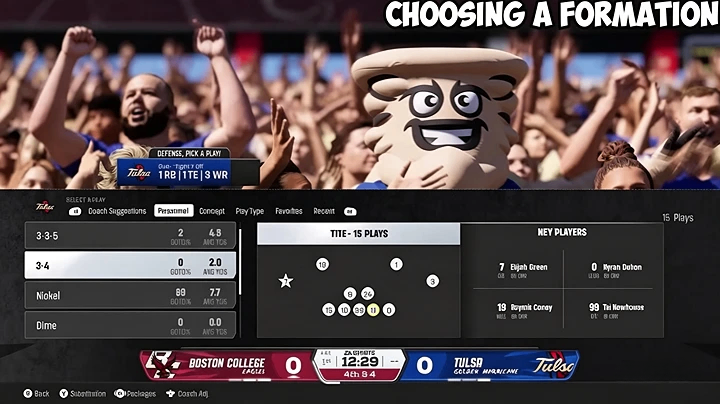
1. Choosing A Formation
Every defensive series starts with the right formation.
Before selecting a play, consider your opponent's tendencies.
Facing a pass-heavy offense? Choose formations with more defensive backs.
Expecting frequent runs? Bring extra defenders into the box.
Playing against a balanced offense? Start with a flexible base formation and adjust as the game develops.
Avoid choosing the same formation every drive. Let your opponent's personnel guide your decision.
2. User Pass Defense
Once the ball is snapped, your user-controlled defender becomes one of the biggest factors in preventing explosive plays.
Focus on:
Reading the quarterback's eyes.
Staying between the receiver and the football.
Taking away the most dangerous route instead of chasing every receiver.
Correct Method
Cover passing lanes patiently.
Force difficult throws.
Incorrect Method
Sprint toward the first receiver you see.
Abandon your zone too early.
3. User Run Defense
Against the run, patience is equally important.
Instead of attacking the line immediately:
Read the running back.
Identify the gap.
Fill the correct lane.
Make the tackle after committing.
Over-pursuing often creates cutback lanes that lead to long gains.
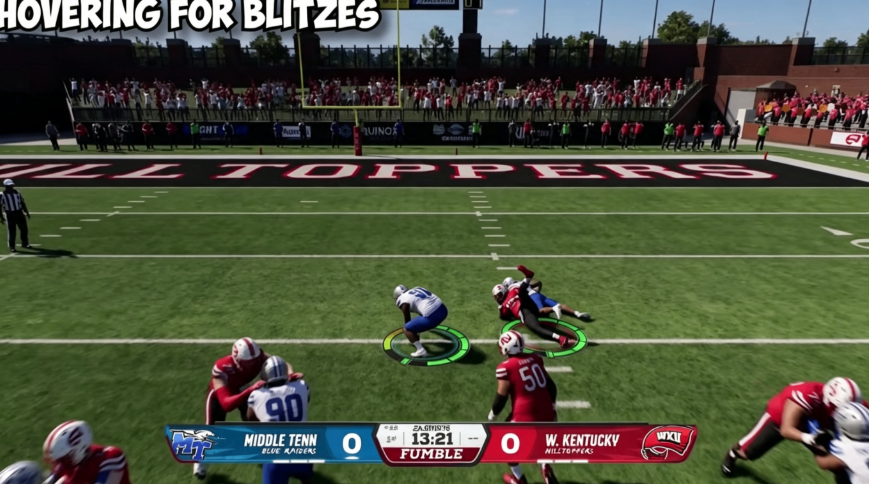
4. Hovering On Blitzes
When sending pressure, Hovering On Blitzes can disguise your intentions before the snap.
Move your user defender near the line without fully committing.
This creates uncertainty for the offense while allowing you to react once the play begins.
Avoid showing your blitz too early if you want to maximize its effectiveness.
5. Manning Players Up
Not every situation calls for zone coverage.
If your opponent repeatedly targets the same receiver:
Assign a defender directly.
Match your best defensive back against their top weapon.
Watch whether the offense adjusts.
If they stop throwing to that receiver, your adjustment has already created value.
6. Coverage Shells
Coverage Shells allow you to disguise your defensive look before the snap.
For example, you can present one coverage while rotating into another after the ball is snapped.
Ask yourself:
Has your opponent started reading your coverage?
Are they attacking the same area repeatedly?
If so, mixing Coverage Shells can make their pre-snap reads much less reliable.
7. Controlled Player Art
The Controlled Player Art indicator helps confirm which defender you are controlling before the snap.
Take a moment to verify your assignment.
A quick check can prevent accidental positioning mistakes during critical downs.
8. Safety Depth
Your safeties should match the offensive situation.
Increase Safety Depth against vertical passing teams.
Bring safeties closer when defending likely running situations.
Continue adjusting throughout the game instead of leaving one default setting.
Small positioning changes can prevent explosive plays.
9. The Guess Pass Mechanic
The Guess Pass Mechanic can improve pass defense in obvious passing situations.
Correct Method
Use it on long-yardage downs.
Combine it with your defensive call.
Incorrect Method
Guess pass on every snap.
Ignore the possibility of a draw or screen play.
Use this mechanic selectively instead of treating it as a default option.
10. Containing QB Scrambles
Mobile quarterbacks require extra attention.
To limit scrambles:
Keep outside contain.
Avoid opening rushing lanes.
Force the quarterback to remain inside the pocket.
Finish the play with disciplined pursuit.
Giving up a scramble on third-and-long often extends drives unnecessarily.
11. Stunts For Run Defense
If inside runs become a problem, use Stunts For Run Defense.
Changing defensive line movement before the snap can disrupt blocking assignments and close running lanes more quickly.
Alternate different stunts rather than repeating the same one every drive.
12. Run Fits
Good Run Fits ensure every defender is responsible for a specific gap.
Before the snap:
Know your assignment.
Stay disciplined.
Trust teammates to cover their own gaps.
Trying to cover multiple gaps usually creates opportunities for the offense.
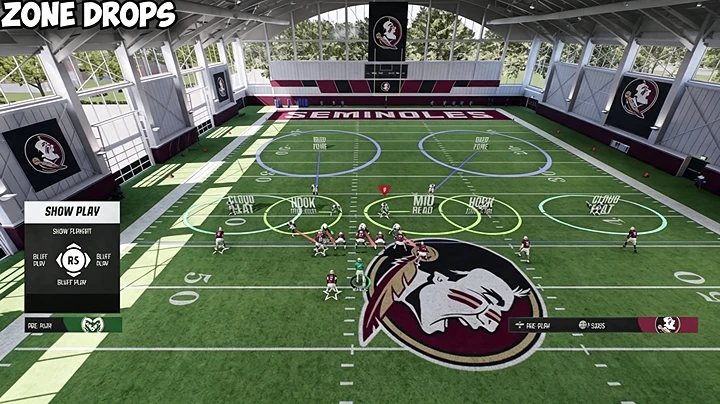
13. Zone Drops
Zone Drops allow you to customize defender positioning.
Adjust them according to your opponent's preferred routes.
For example:
Shorter drops against underneath concepts.
Deeper drops against vertical passing attacks.
Continue making adjustments as offensive tendencies change.
14. Quick Adjustments
The best defenses react quickly.
During each drive:
Identify offensive tendencies.
Open Quick Adjustments.
Modify coverage, alignments, or assignments.
Prepare for the next snap.
Frequent small adjustments are usually more effective than one major defensive change.
15. Trust Your Gameplan
Finally, remain committed to your overall strategy.
A single completed pass does not necessarily mean your defensive plan is wrong.
Instead:
Review what happened.
Make targeted adjustments.
Continue executing your overall approach.
Consistent decisions over an entire game generally produce better results than constant play-call changes.
Key Takeaways
Start every drive by selecting a formation that matches your opponent's personnel.
User control is critical for both pass defense and run defense.
Mix Coverage Shells and Hovering On Blitzes to disguise your intentions.
Adjust Safety Depth, Zone Drops, and Run Fits based on offensive tendencies.
Use The Guess Pass Mechanic only in situations where a pass is highly likely.
Stay disciplined against mobile quarterbacks and trust your defensive game plan throughout the game.
Conclusion
Strong defense in College Football 27 comes from combining solid pre-snap preparation with disciplined user control after the snap. By following these techniques in order—from choosing the right formation to making quick adjustments during each drive—you can reduce big plays, force more mistakes, and improve consistency against a wide variety of offensive styles. As you continue building your team and refining your strategy, managing your resources, including CFB 27 Coins, can also support long-term success.